Execute industrial, commercial, warehouse, PEB, and infrastructure projects with engineering-led construction management. BBAPL provides contractor coordination, site supervision, BOQ and billing verification, quality control, progress monitoring, and project handover management through its 3E approach: Efficient, Effective, and Economic.
YEARS OF ENGINEERING EXPERIENCE
PROJECTS DELIVERED
STRUCTURAL AUDITS & ASSESSMENTS
GEOTECHNICAL & CONSTRUCTION MATERIAL TESTING PROJECTS
PES provides engineering oversight during construction to help projects stay aligned with approved drawings, specifications, budgets, and timelines.
A single point of engineering coordination that manages construction execution from site mobilisation to project handover.
Project Execution Service in India covers contractor scheduling, quality verification, progress monitoring, measurement review, billing verification, and documentation management to ensure that work is executed in accordance with approved project requirements.
Review of project scope, drawings, specifications, schedules, execution requirements, and site constraints.
Verification of quantities, specifications, BOQs, rates, and execution budgets to support cost control and planning.
Coordination of contractors, subcontractors, vendors, consultants, and multidisciplinary stakeholders to establish execution responsibilities.
Planning construction activities, logistics, resource deployment, and execution sequencing prior to commencement.
Site supervision of civil, structural, PEB, warehouse, industrial, mechanical, electrical, HVAC, and utility works to ensure compliance with approved drawings and specifications.
Inspection of workmanship, material usage, execution quality, and implementation of site safety requirements.
Monitoring project schedules, milestones, contractor performance, and construction progress against approved timelines.
Verification of executed quantities, site measurements, and contractor bills against approved BOQs and project records.
Coordination of final inspections, snag closure, documentation review, compliance verification, and project handover.
Effective project execution requires structured coordination, quality oversight, progress monitoring, and timely decisions. BBAPL helps maintain execution control from site mobilisation to project handover, keeping work aligned with approved drawings, specifications, and schedules.

NABL-accredited geotechnical and material testing services for soil, concrete, steel, bitumen, and aggregates, ensuring quality, compliance, and reliable project execution.
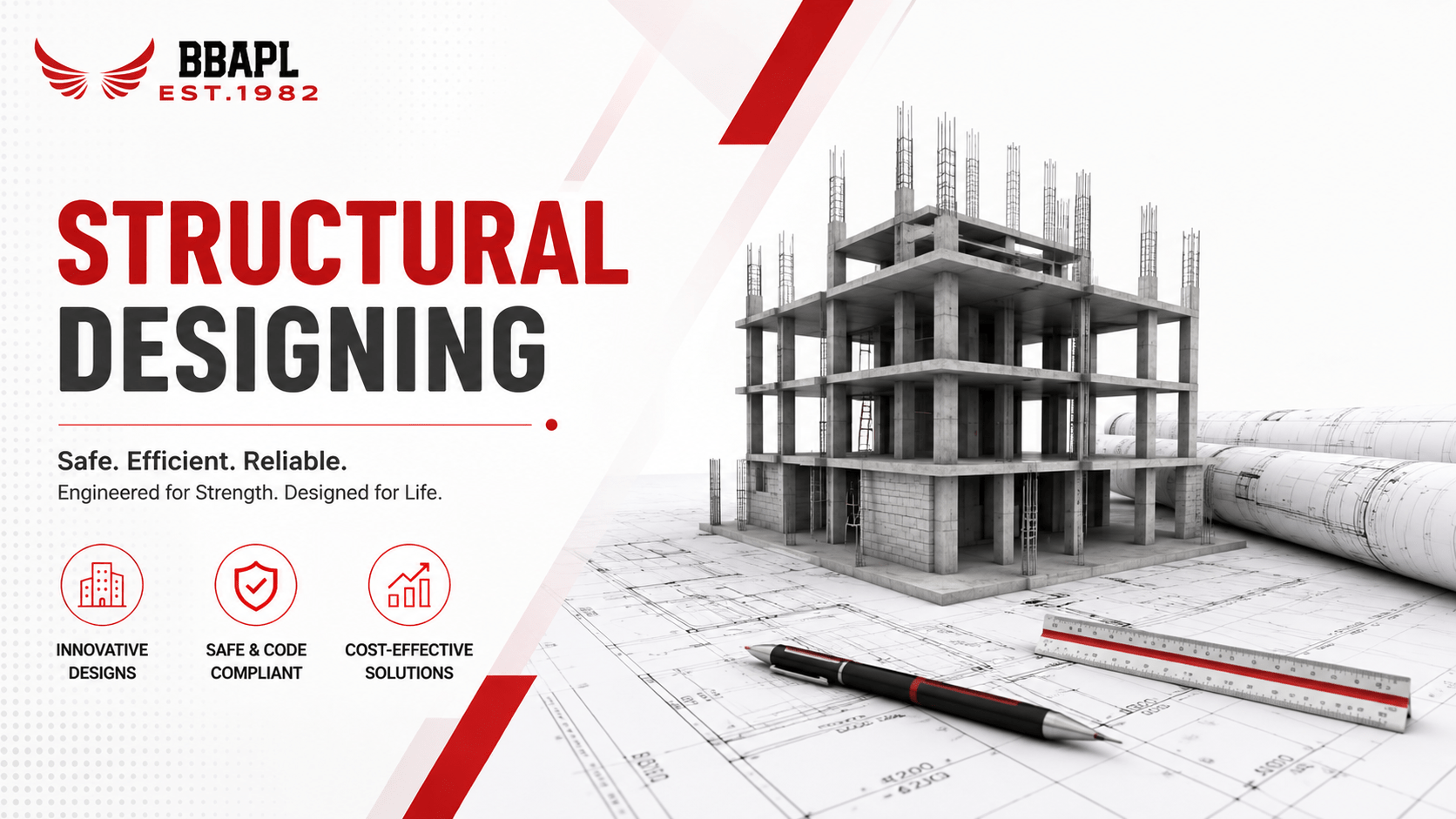
Engineering-led structural design solutions for RCC, steel, industrial, commercial, and infrastructure projects, focused on safety, performance, and code compliance.
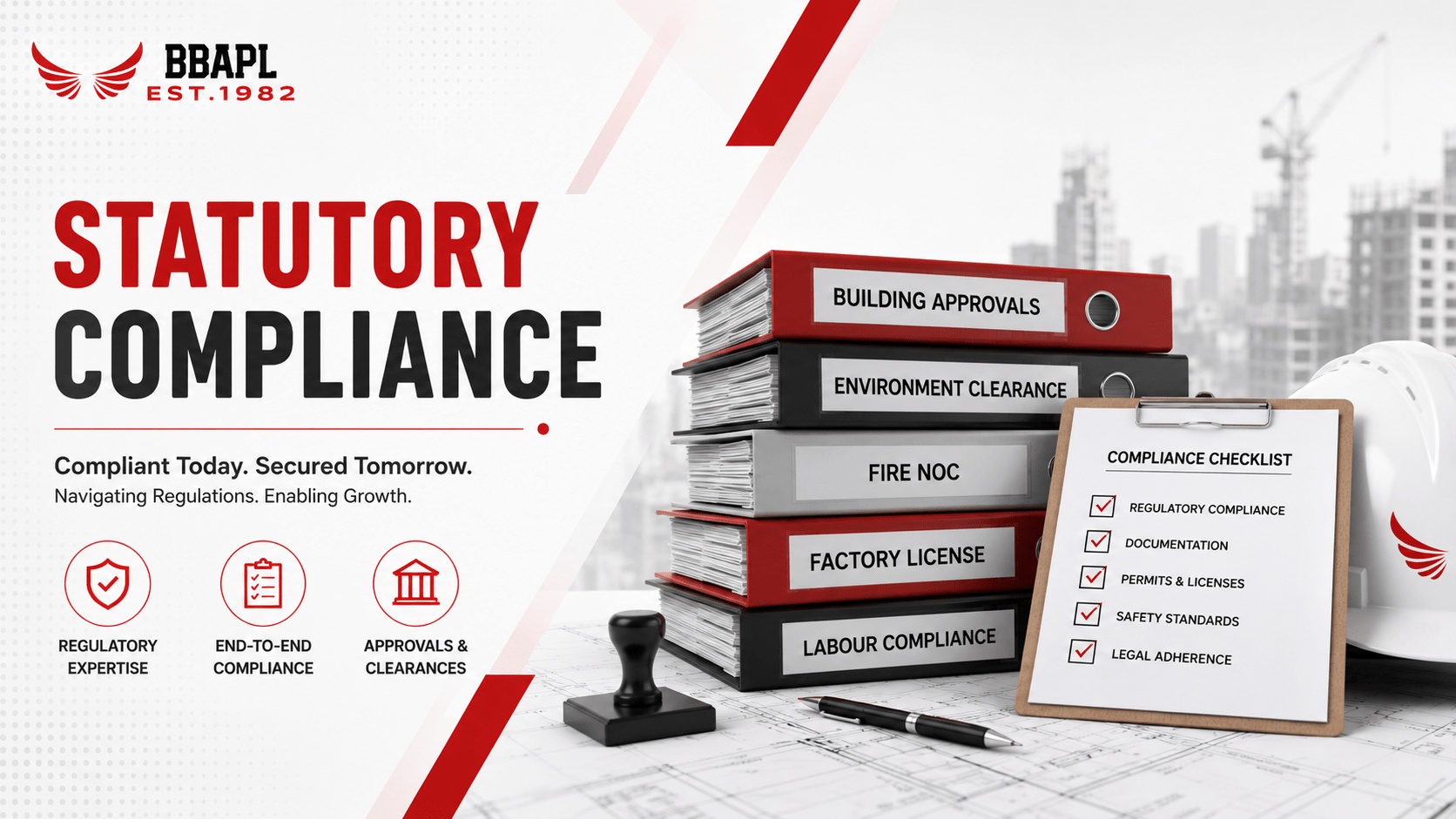
Comprehensive statutory compliance services in Madhya Pradesh, covering factory approvals, Fire NOC, MPPCB clearances, safety audits, licensing, and regulatory approvals.
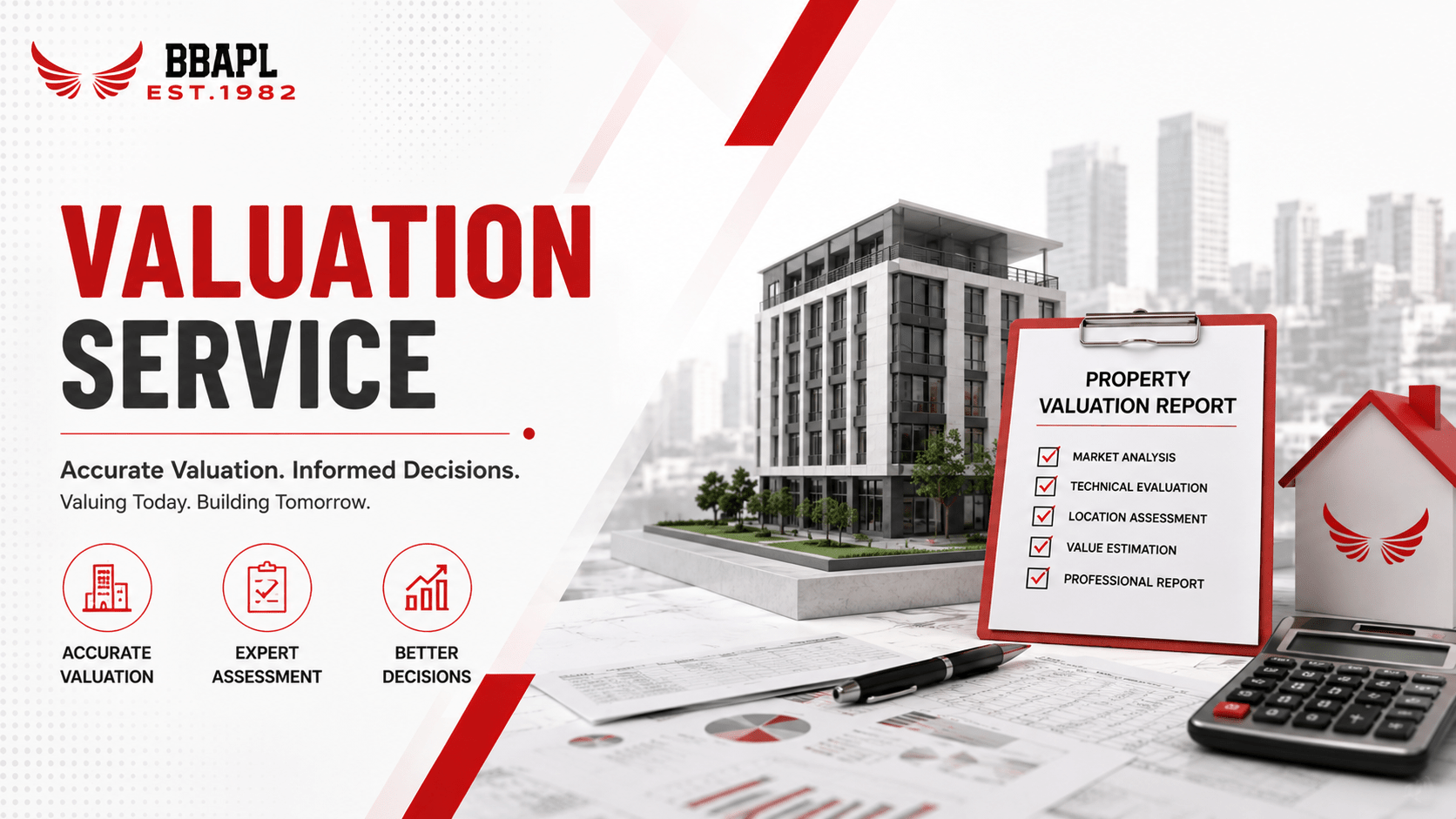
Certified valuation services for land, buildings, industrial assets, and infrastructure, supporting financing, taxation, insurance, legal, and investment requirements.
Is BBAPL the contractor?
Can I use PES without using BBAPL's design or testing services?
Who manages my project?
Who is responsible for construction quality under PES?
How is PES different from PMC services?
What does Project Execution Services (PES) do?
What types of projects are suitable for PES?
How do I get started?
Talk to Our Experts Today — We're just a call or message away.

Already a member? Sign in now