Long before a building takes shape, its future is already decided. Not in the elevations or layouts, but in the structural design that defines how it will stand, perform, and endure over time.
What most people see is the finished result, façade, interiors, and finishes. What remains unseen is the framework within every slab, beam, column, and footing that determines whether a building performs reliably or develops costly problems later.
As global construction moves toward a $17.5 trillion scale by 2030, the consequences of getting this stage wrong are significant. Design-related errors alone are estimated to cost the industry nearly $85 billion each year, turning small oversights into long-term risks and financial losses (CIOB).
At Bhargava Building Atelier Pvt Ltd., this invisible stage has been the focus for over four decades. The aim is simple: to engineer what cannot be seen with the same care as what will be visible. Architecture creates appearance. Structural engineering creates safety, confidence, and long-term performance.
Across Madhya Pradesh, Delhi NCR, and many parts of India, a common pattern repeats itself. Significant money is invested in construction, yet within a few years the building begins showing cracks, leakage, settlement issues, delays in approvals, or expensive repair requirements. In many such cases, the root issue began much earlier, during rushed or underdeveloped structural planning.
Poor structural design rarely announces itself during the drawing stage. It becomes visible later, when corrections are more expensive and disruptive.
When loads are misjudged or members are undersized, cracks may develop at beam-column joints or slabs may deflect beyond limits. What begins as a small visible defect can gradually become a larger structural and financial concern.
The opposite issue is equally costly. Excessively conservative designs can increase steel and concrete quantities unnecessarily. Once construction starts, that additional cost is already locked into the project budget.
India spans multiple seismic zones, making lateral load design essential. Without proper zone-based analysis and ductile detailing, buildings may meet drawings on paper but remain vulnerable in reality.
Every structure depends on the ground beneath it. Missing weak soil pockets, water table issues, or variable bearing capacity can cause settlement problems later. Foundation errors are among the most expensive issues to correct after construction.
Drawings that do not align with IS Codes, NBC 2016, or local bye-laws often face approval delays. Each delay can increase interest burden, escalation cost, and lost project time.
Many projects proceed with structurally safe but financially inefficient designs. Without optimization, unnecessary material consumption remains hidden inside the structure.
Once a building is complete, the structure disappears behind finishes and walls. Yet it continues working every day. It is present in the stable floor below machinery, the crack-free walls after monsoon seasons, the quiet slab under vibration loads, and the façade that remains aligned after years of use. When structural engineering is done properly, the building performs silently. When it is not, the building begins sending warning signs.
Diagonal cracks near joints or flexural cracks in slabs may indicate reinforcement or load path issues. Repainting the surface may hide the symptom, but not the cause.
If slab deflection exceeds limits, waterproofing systems may fail repeatedly. The recurring repair cycle then continues unless the structural issue is addressed.
Uneven sinking can lead to jammed doors, tilted frames, wall cracks, and alignment issues. Proper geotechnical coordination during design is the most reliable prevention.
In industrial buildings, under designed floors or frames can transmit machine vibration. This can affect equipment performance and gradually fatigue structural connections.
Well-designed buildings often require far lower structural maintenance over time. Savings from avoided repairs, retrofitting, and repeated treatments can exceed the original design fee many times over.
No foundation decision is taken without understanding the ground conditions. Soil capacity, strata depth, water table behavior, and site history are reviewed before modelling begins.
Dead load, live load, wind load, seismic force, and operational loads are calculated as per relevant IS standards. A hospital, school, factory, and residence each require different structural responses.
BBAPL uses STAAD Pro, ETABS, SAFE, and AutoCAD for three-dimensional structural modelling. This helps assess stress zones, optimise sizes, control deflection, and validate load combinations before construction begins.
Every project includes an optimisation review to reduce avoidable excess in steel or concrete quantities. The goal is efficiency without reducing safety or compliance.
Detailed drawings are prepared in alignment with IS Codes, NBC 2016, IS 13920, and applicable municipal norms. This supports smoother approvals and cleaner execution.
Design performance depends on actual site materials. BBAPL supports testing of concrete, steel, and related materials so construction quality matches design intent.
Technical guidance during construction helps drawings get executed correctly on-site. This closes the gap between design assumptions and field realities.
Over four decades, BBAPL has delivered structural solutions across multiple sectors where reliability is critical.
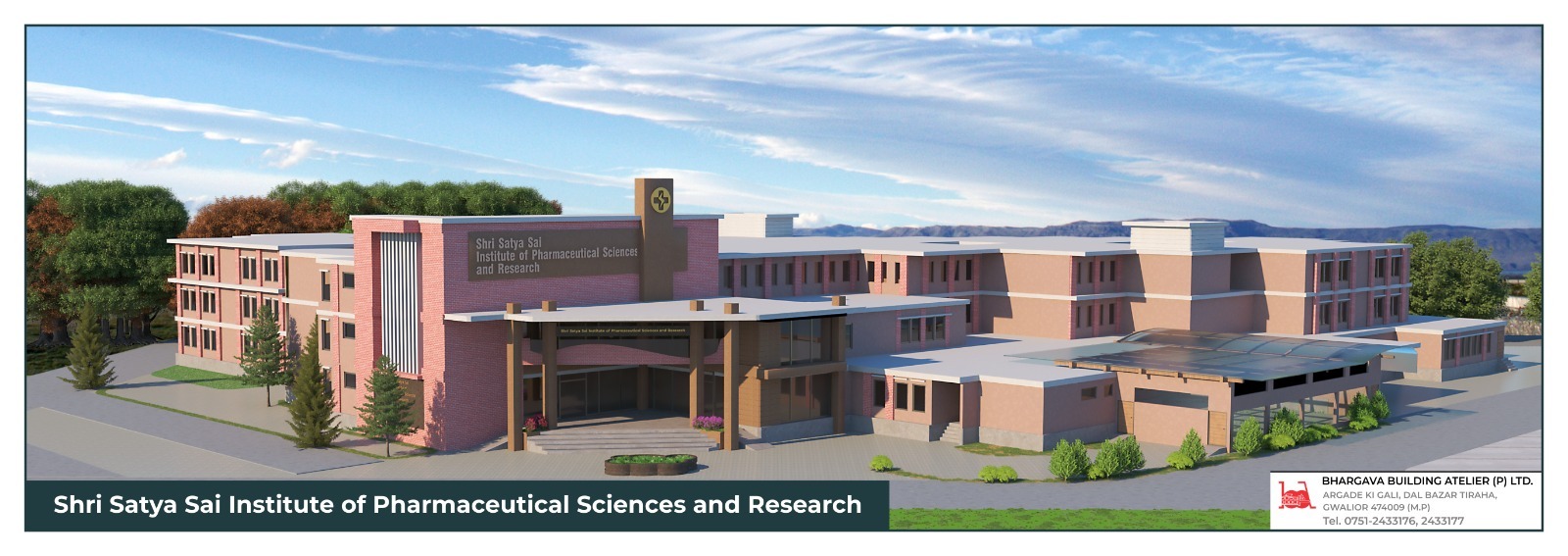
A multi-block institutional campus requiring coordination between laboratory areas, administration zones, and services. The project demanded vibration control, storage load planning, long-span spaces, and high serviceability standards.
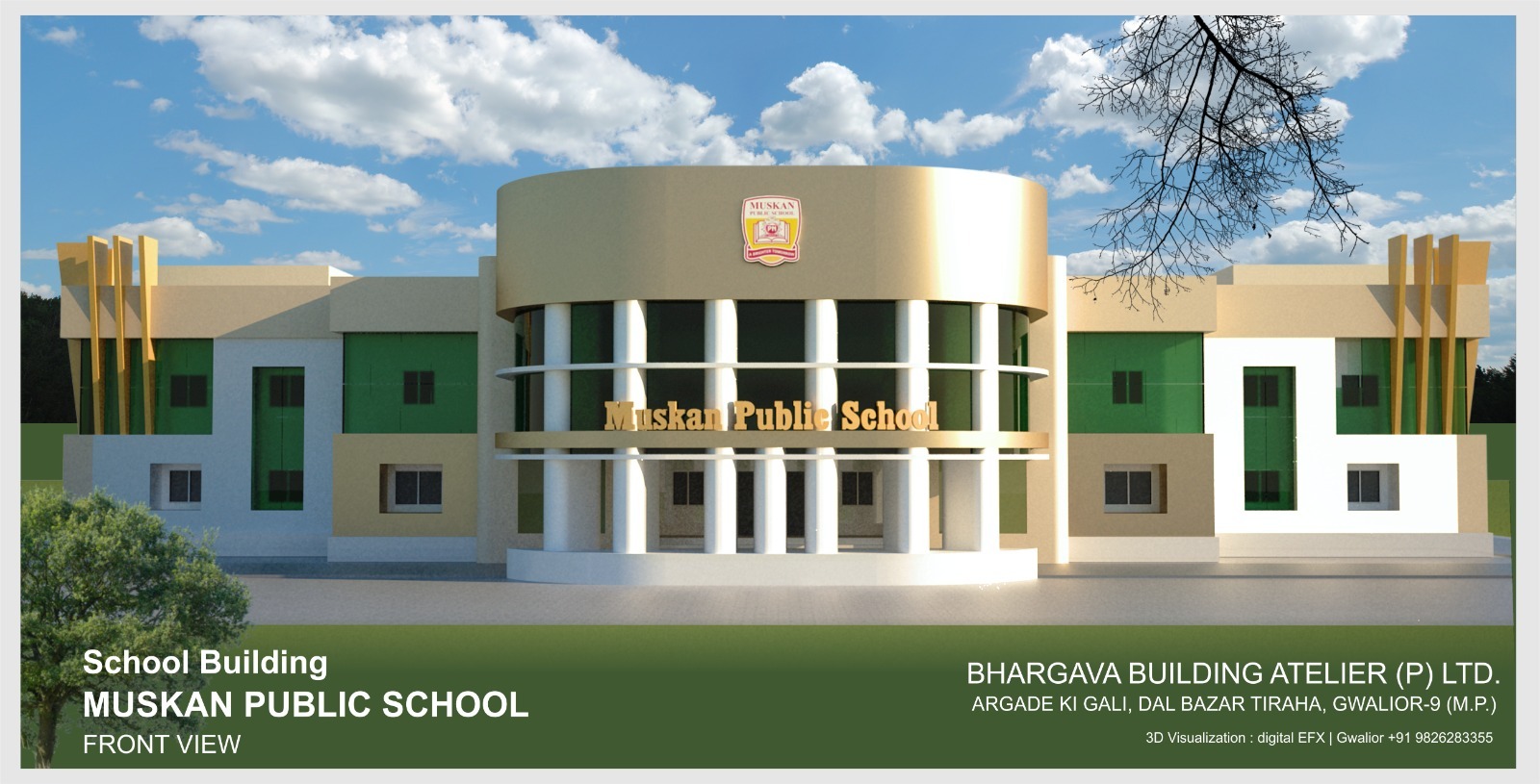
A landmark school building with curved forms, colonnade frontage, and symmetrical wings. The structure required support for non-standard geometry, cantilevered elements, and large internal spans.
Impact: Enabled complex architectural forms to be executed without compromise, while ensuring structural stability and long-term performance.
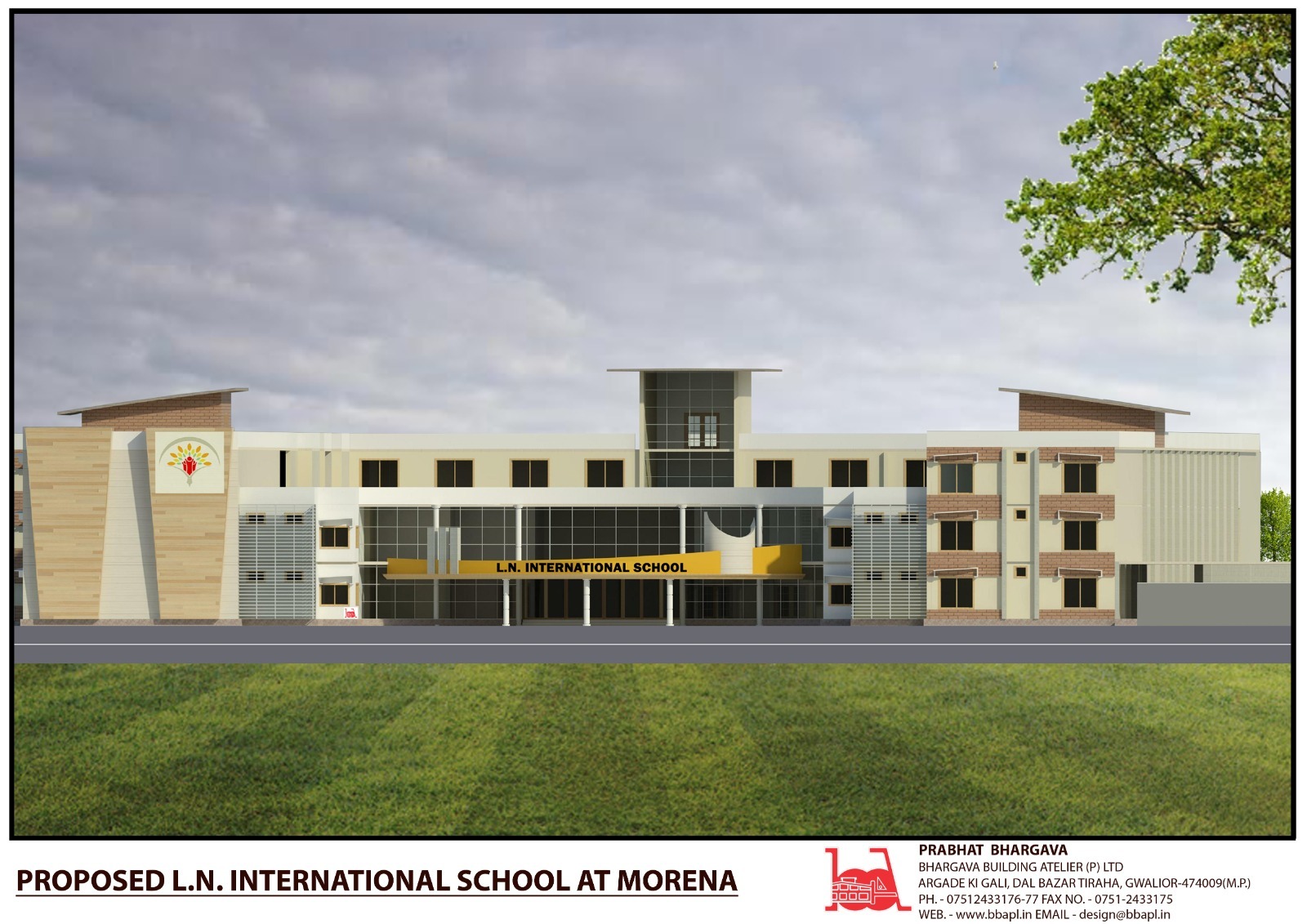
A contemporary educational campus with expansive frontages and multi-floor occupancy requirements. The structural system needed to balance modern architecture with high daily live loads.
Impact: Delivered a robust structural system capable of handling high occupancy loads while maintaining efficient layouts and future adaptability.
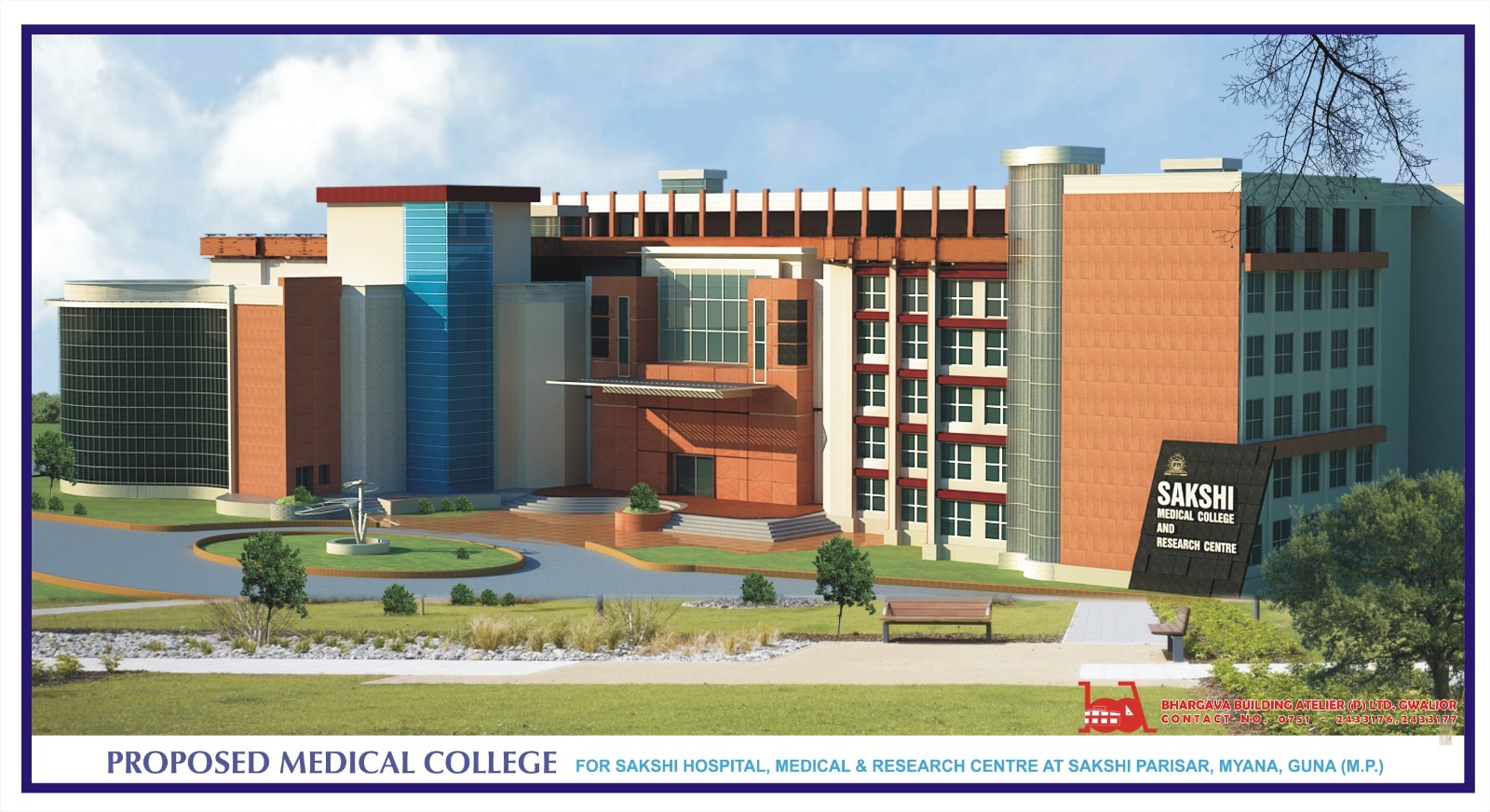
A proposed multi-storey medical college and hospital complex with demanding structural requirements. Medical equipment loads, service coordination, seismic resilience, and long design life were central priorities.
Impact: Enabled vibration-controlled environments for sensitive medical spaces, while ensuring seismic safety and long-term operational reliability.
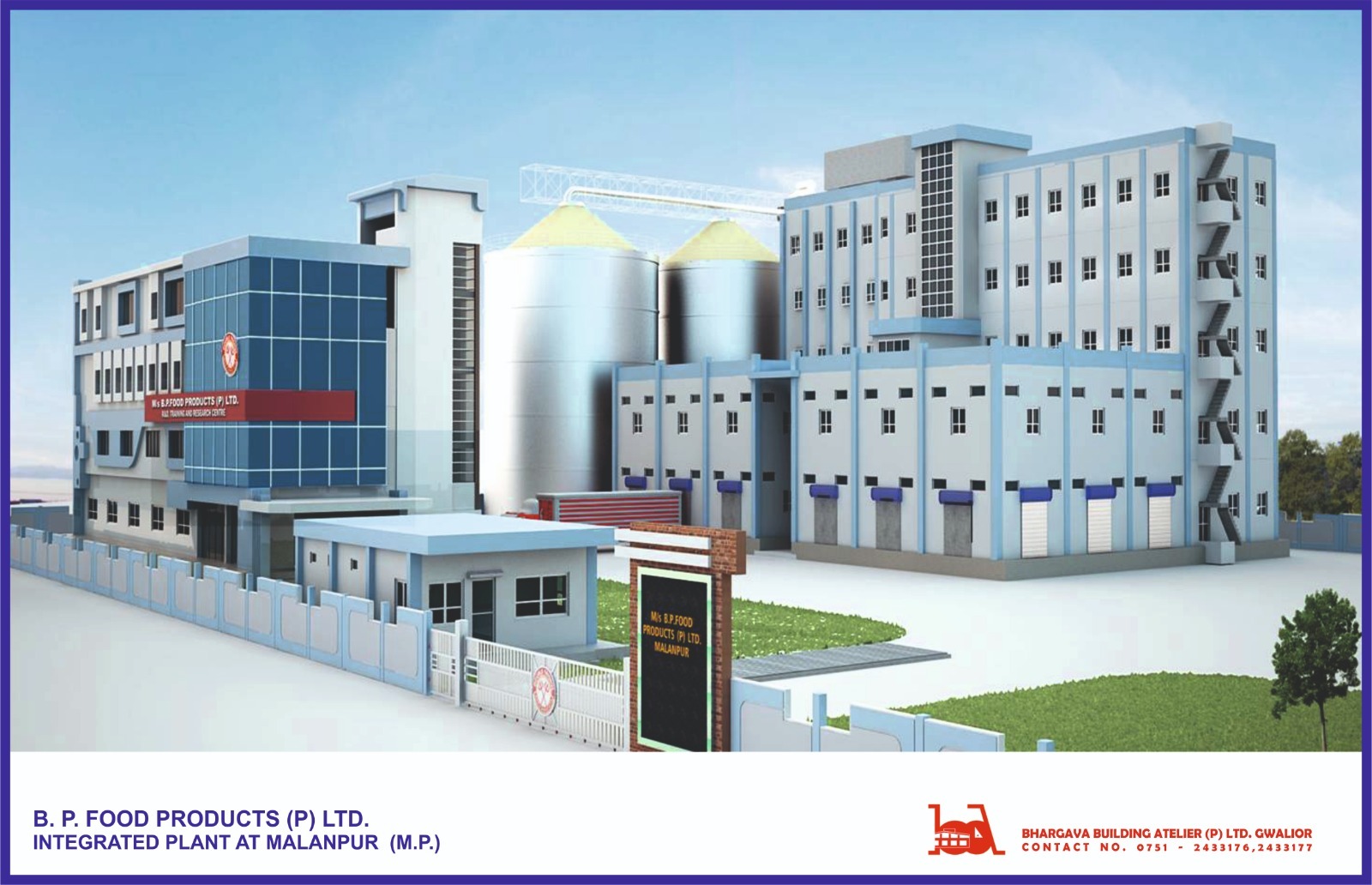
A complex industrial facility combining production floors, silo structures, handling systems, and an administrative block. The project required machinery load analysis, multi-system coordination, and site-responsive foundation planning.
Impact: Ensured safe handling of heavy machinery loads and seamless integration of multiple systems, supporting uninterrupted industrial operations.
A high-end residence featuring arched openings, cantilevered balconies, façade projections, and terraced levels. The structural design required careful detailing to preserve aesthetics while maintaining performance.
Impact: Achieved architectural freedom with structurally sound cantilevers and projections, ensuring durability without compromising design intent.

Whether the project is a school, hospital, industrial facility, institutional campus, or private residence, the engineering approach remains consistent.
40+ years of structural design across complex projects, reducing risk before construction begins.
Use of STAAD Pro, ETABS, SAFE, and AutoCAD enables accurate analysis rather than broad assumptions.
Strong familiarity with Madhya Pradesh, Delhi NCR, local soil behaviour, approvals, and execution practices supports practical project delivery.
Cost optimization is treated as part of design, not an afterthought.
Designs align with relevant IS Codes, NBC 2016, seismic detailing requirements, and applicable local norms.
From concept stage to supervision support, continuity is maintained through the project lifecycle.
Good structure is rarely visible after completion, yet it supports every wall, floor, occupant, and year of use. The real decision is not whether expert structural design is required. It is whether that expertise is engaged early, when it protects investment and controls cost, or later, when correction becomes expensive and disruptive.
Planning a project? Let BBAPL engineer it right from day one.
📞 Talk to a Consultant: +91 96301-50426

Talk to Our Experts Today — We're just a call or message away.

Already a member? Sign in now